The breast augmentation procedure
Breast Augmentation: A Journey Toward a New You
The Causes of Small Breasts
Small breasts can result from genetic factors, hormonal imbalances, or particular individual anatomical characteristics. Understanding the underlying causes of this condition is fundamental for choosing a personalized and targeted procedure. A conscious approach allows not only to enhance one’s silhouette, but also to improve self-esteem and overall psychophysical well-being.
Breast Augmentation: What It Is and What to Expect
The breast augmentation procedure involves the insertion of breast implants to increase breast volume, correct asymmetries, or reconstruct the chest profile. The choice of procedure is the result of a careful and personalized process that takes into account aesthetic needs, body conformation, and individual goals. Proper planning allows for achieving natural results, in line with expectations and in perfect harmony with the rest of the body.
The Importance of the Consultation Visit: A Fundamental Moment of Evaluation and Discussion
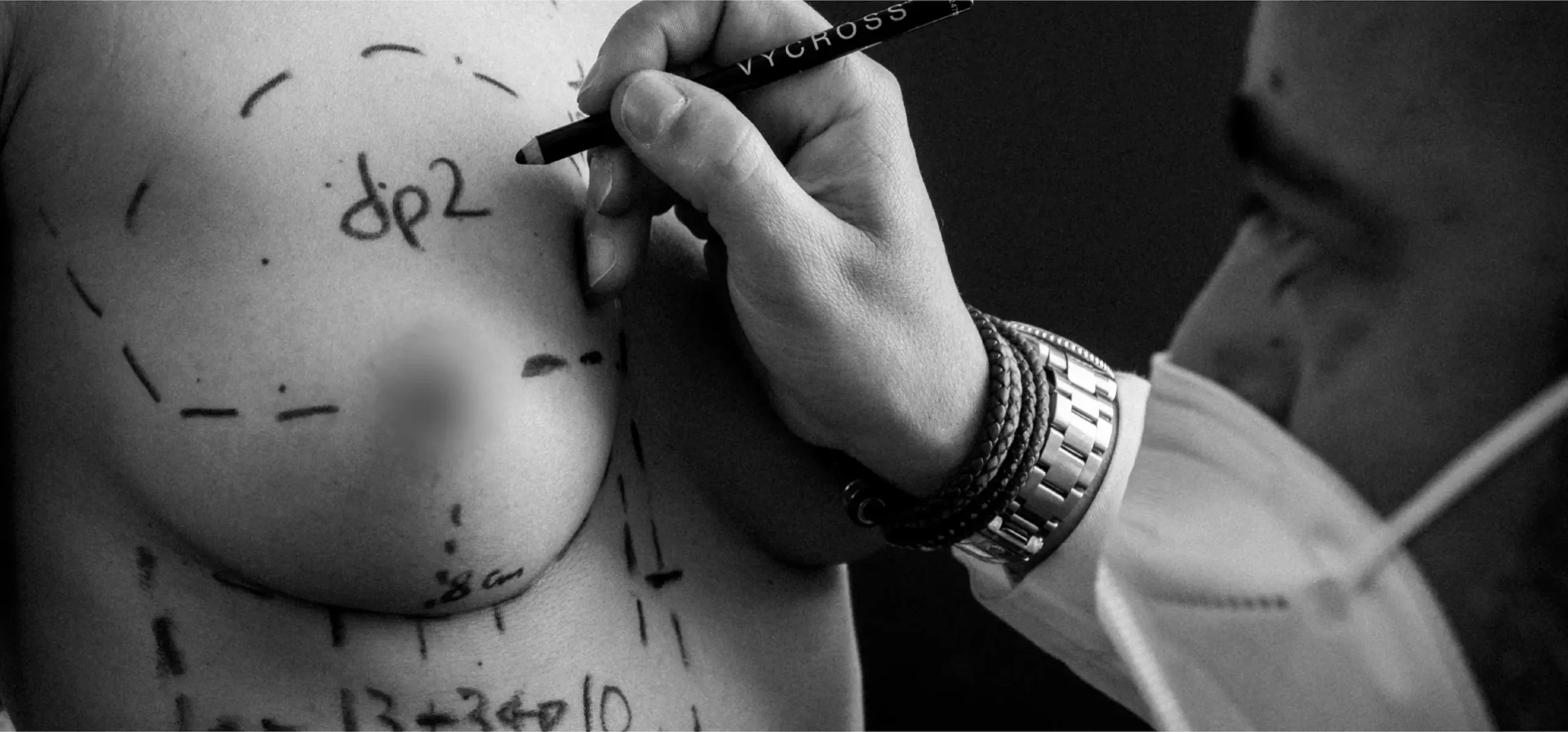
The consultation visit represents the first and fundamental step toward the procedure. During this appointment, the surgeon carefully evaluates the anatomical conformation, discusses expectations, and analyzes possible solutions, including the choice of the right size for bra cups.
What happens during the consultation?
- Personalized evaluation: Physical examination and analysis of breast proportions to define the most suitable type of implant.
- Cup measurement: Fundamental tool for identifying the perfect size and ensuring a harmonious and natural result.
- Psychological and emotional aspects: The consultation is also a moment of listening and discussion, useful for discussing motivations and expectations, ensuring a conscious and serene choice of the procedure.
- Pre-operative education: All phases of the surgical process are illustrated, from pre-operative to post-operative, to prepare the patient for the journey ahead.
Why Is Cup Measurement Important?
- Procedure Personalization:
Every breast has a unique shape and size. Detailed cup measurement allows for identifying the most suitable volume and projection, contributing to a result that integrates perfectly with the rest of the body. - Choice of the Ideal Implant:
Knowing the cup size allows the surgeon to select the most appropriate type of implant, whether round, anatomical, or one of the innovative solutions (such as b-lite implants or Polytech Replicon implants). This process ensures that the new breast does not appear disproportionate to other parts of the body. - Harmony and Naturalness of the Result:
The goal is to achieve a breast that respects the patient’s anatomical identity. Correct measurement helps avoid “fake” or excessively voluminous results, contributing to a natural and well-integrated appearance.
How Is the Measurement Performed?
During the consultation visit, the surgeon uses specific instruments and standardized techniques to measure the circumference and shape of the bust, focusing particularly on bra cup dimensions. The main steps include:
- Visual and Tactile Evaluation:
Direct observation and palpation allow for identifying the anatomical characteristics of the breast, highlighting any asymmetries or particularities that could influence the procedure. - Use of Specific Measuring Tools:
Calibrated instruments and reference tables are used to translate measurements into standard sizes. This phase is crucial for establishing the ideal cup size and for adapting the implant volume to aesthetic and functional needs. - Comparison with Current Bras:
Often, patients bring the bra they consider most comfortable or that best represents their idea of ideal silhouette. This comparison helps the surgeon understand expectations and confirm the optimal size.
Types of Implants: Choice, Pros and Cons
The wide range of available breast implants allows for personalizing the procedure based on the patient’s physical characteristics and aesthetic expectations. Among the main options we find:
- Round implants: Ideal for achieving greater volume and breast projection, giving a fuller and more harmonious appearance.
- Anatomical implants (teardrop): Designed to reproduce the natural shape of the breast, ensuring a more authentic-looking result, particularly suitable for patients with minimal breast tissue.
- Cohesive gel implants: Offer high safety, stability, and durability over time, maintaining the aesthetic result intact.
In addition to these options, Dr. Spano’s practice also offers excellence solutions that meet the needs for lightness and naturalness:
- B-lite implants: These implants are characterized by their lightness, which reduces the load on tissues and muscles, contributing to faster post-operative recovery and less anatomical impact. Their structure is designed to ensure perfect integration with breast tissue, favoring a very natural-looking result.
- Polytech Replicon implants: Known for their innovative internal structure system, Polytech Replicon implants offer exceptional ability to replicate the natural conformation of the breast. This model, thanks to its elasticity and stability, allows for achieving a harmonious and lasting profile, optimally responding to personalization and safety needs.
Each type has advantages and disadvantages, and the choice must be made based on safety criteria, aesthetic expectations, and individual anatomical characteristics. During the consultation, the surgeon will illustrate the different options in detail, providing an overview of the pros and cons of each solution, to help the patient make an informed and conscious choice.
Surgical Techniques: Toward a Natural Result
The primary objective of breast augmentation is to achieve a harmonious and natural result, avoiding the “fake breast” effect. Thanks to the evolution of surgical techniques and a personalized approach, today it is possible to modulate the procedure based on the specific anatomical characteristics and aesthetic needs of each patient. The following illustrates the main methods and technical choices that comprise the procedure.
Implant Placement
The placement of the implant is a decisive phase for the final result of the procedure, influencing both the aesthetic appearance and the post-operative course. The choice of placement technique is personalized based on the patient’s anatomical characteristics and aesthetic objectives. The main options are:
- Submuscular:
In this technique, the implant is inserted behind the pectoral muscle. This approach offers additional coverage thanks to the muscle, making the breast profile softer and more natural, especially in patients with thin breast tissue. The muscle procedure may require a longer initial recovery period and careful pain management in the first post-operative days. - Submammary (or Subglandular):
With submammary placement, the implant is positioned directly behind the mammary glandular tissue, keeping the pectoral muscle intact. This technique is particularly suitable for patients who have an adequate amount of breast tissue, allowing for faster recovery and fewer post-operative restrictions. The result, in terms of appearance, is very natural, although in the presence of particularly thin tissue the coverage might be less optimal. - Dual Plane:
The dual plane technique represents a hybrid solution that combines the advantages of submuscular and submammary positions. With this method, the upper part of the implant is positioned under the pectoral muscle, while the lower part remains covered by breast tissue. This approach allows for achieving a result that enhances both muscle coverage and the naturalness of the breast profile, being particularly effective in cases of ptosis or for patients requiring greater procedure personalization. The dual plane offers the best of both worlds: protection and softness in the upper area and a more natural appearance in the lower part of the breast.
Types of Incisions
The choice of incision is crucial for ensuring optimal access to the mammary area and for minimizing scars, maintaining a natural aesthetic result. The main techniques employed are:
- Inframammary Incision:
This incision is made in the submammary fold, offering direct access to the surgical site. Thanks to its position, the scar is well hidden in the breast fold, allowing the surgeon to position the implant with high precision. - Periareolar Incision:
Performed along the areola contour, this technique is particularly appreciated as the scar blends with the pigmented border of the areola. It is suitable for patients who have an adequately sized areola and offers optimal access for implant placement. - Transaxillary Incision:
In the past, the trans-axillary incision, performed in the armpit, was used to avoid scars on the breast. This technique is falling into disuse because it does not allow the use of anatomical implants: the precision in insertion is lower compared to other techniques, increasing the risk of implant rotation and, consequently, compromising the final aesthetic result.
Personalized Techniques for a Natural Result
The path to a natural result is not limited to the choice of placement and incision, but involves a holistic and personalized approach:
- Implant Personalization:
The choice of shape, volume, and projection of the implant is made in synergy with placement and incision. This allows for adapting the procedure to the patient’s specific anatomical characteristics, ensuring a smooth and natural transition between the implant and surrounding tissue. - Minimally invasive techniques:
The adoption of less invasive methods reduces surgical trauma, allows for smaller scars and faster recovery. These techniques are designed to minimize post-operative discomfort without compromising the effectiveness of the procedure. - Integrated Approach:
Beyond technical aspects, the surgical process includes a thorough pre-operative evaluation that also considers the patient’s psychological and emotional aspects. This approach allows for precisely defining expectations and choosing the most suitable technique to enhance the natural beauty of the breast, ensuring a positive impact both aesthetically and in terms of overall well-being.
Use of Drains
During the breast augmentation procedure, the use of drains is a choice that is carefully evaluated based on the patient’s specific anatomical characteristics and the surgical technique adopted.
In some procedures, especially in the presence of high predisposition to fluid stagnation, the insertion of drains can represent a useful solution to prevent fluid formation in the implant pocket. In most cases and thanks to the application of advanced and minimally invasive surgical techniques, it is possible to avoid the use of drains.
The elimination of drains contributes to reducing post-operative discomfort for the patient and preventing possible communications between the implant pocket and the outside, a fundamental factor for minimizing the risk of infections and related complications.
Our goal is to ensure the most comfortable and safe recovery possible, personalizing the procedure based on individual needs and adopting all precautions to avoid complications, without compromising the quality of the final aesthetic result.
The Post-Operative Course
The post-operative process is as important as the pre-operative phase and the procedure itself. After breast augmentation, the patient receives precise instructions to promote proper healing:
- Monitoring of the first days: Periodic checks to verify the evolution of the course and manage any discomfort.
- Pain and minor complication management: Medical assistance and therapeutic instructions to minimize post-operative discomfort.
- Practical advice: Instructions on how to move, manage physical activity, and care for sutures.
- Long-term follow-up: Periodic evaluations to monitor result stability and, if necessary, intervene promptly in case of minor asymmetries or other issues.
This process is fundamental for ensuring optimal healing and obtaining maximum benefit from the procedure.
Psychological and Emotional Aspects of Breast Augmentation Surgery
The decision to undergo breast augmentation is deeply personal and involves psychological and emotional aspects. The transformation journey helps improve self-esteem and strengthen body image, contributing to greater serenity and self-confidence.
During the various phases – from pre-operative consultation to post-operative evaluation – psychological and family support plays a fundamental role, especially for young women who experience this as a journey of growth and personal affirmation. The holistic approach of the procedure takes into account not only aesthetic factors, but also emotional well-being, making the journey toward a new you a complete transformation experience.
FAQ – Frequently Asked Questions
- Is breast augmentation suitable for everyone?
There is no “universal procedure”. The success of the procedure depends on personalized evaluation and compatibility between anatomical characteristics and aesthetic expectations. - How long does the post-operative recovery last?
The recovery period varies from patient to patient, but generally in the first weeks it is essential to carefully follow medical instructions to ensure optimal healing. - What are the risks of the procedure?
Like any surgical procedure, breast augmentation also involves some risks. However, thanks to the precision of modern techniques and constant updating of safety standards, complications are rare and generally manageable. - How do you choose the right implant?
The choice is made during the consultation, where the surgeon evaluates anatomical characteristics and discusses available options with the patient, illustrating advantages and disadvantages of each type of implant. - Does the procedure affect the ability to breastfeed?
In most cases, breastfeeding function is not compromised, but it is important to discuss this thoroughly during the pre-operative consultation. - Is breast and nipple sensitivity altered after the procedure?
Generally, breast augmentation does not cause significant alterations to breast and nipple sensitivity. Most patients maintain intact sensitivity, although in some cases, slight temporary variations may occur following the procedure that resolve over time.
Pros and Cons of the Procedure and the Role of Family Support
Undergoing breast augmentation means balancing benefits and potential concerns. Among the pros we find:
- Greater body harmony and improved self-esteem.
- The possibility to correct asymmetries and pre-existing aesthetic issues.
- Increased personal confidence.
The cons may include:
- The risk, albeit minimal, of post-operative complications.
- The need for a recovery period and adequate medical follow-up.
- The emotional impact related to changes in body image.
Family support, particularly from parents, can prove to be an invaluable element for young women who decide to embark on this journey. Open dialogue and constant support facilitate a conscious and serene decision, helping to face the pre and post-operative phases with greater peace of mind.
Conclusions
Breast augmentation is not just an aesthetic procedure, but a true transformation journey that encompasses physical, psychological, and emotional aspects. Through a personalized evaluation, a conscious choice of implants and surgical techniques, and adequate support during all phases, it is possible to achieve a natural and lasting result. If you are considering this solution, book a consultation visit to discuss your needs together and begin the journey toward a new you, with the safety and professionalism of an excellent medical team.
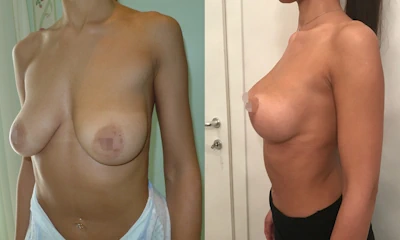
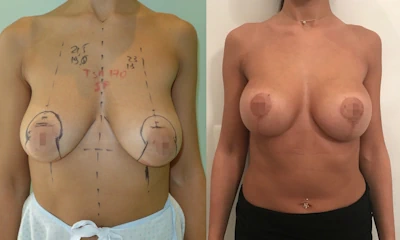
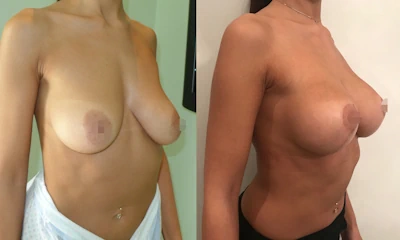
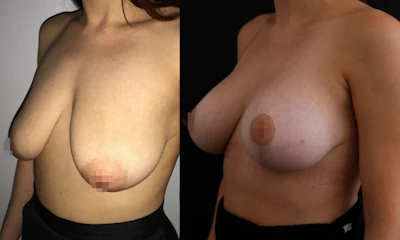
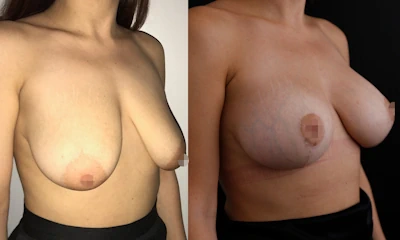
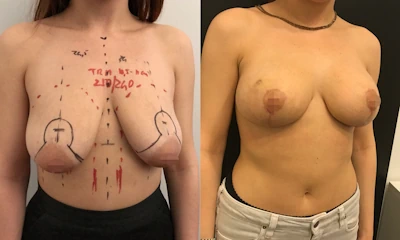
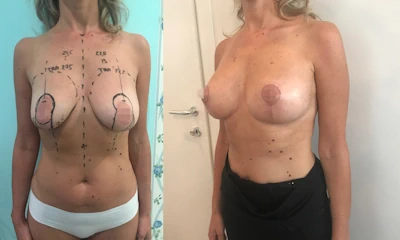
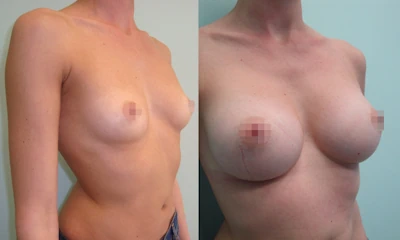
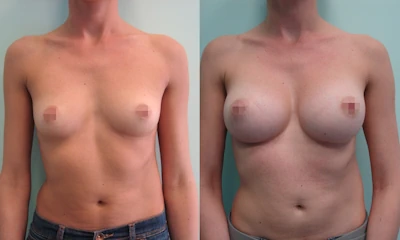
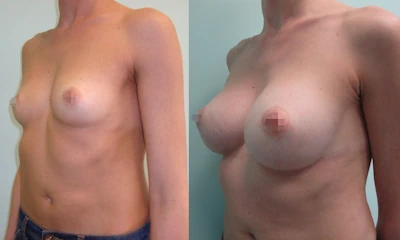
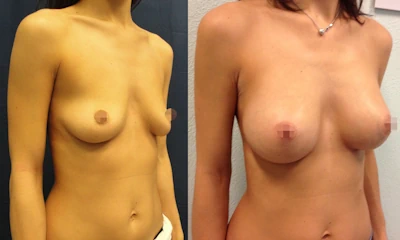
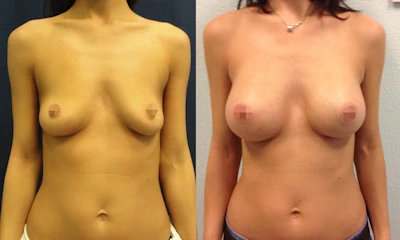
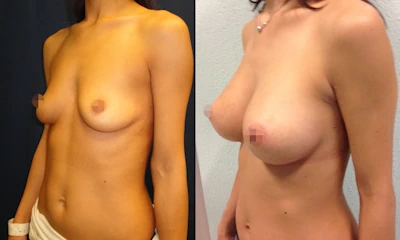
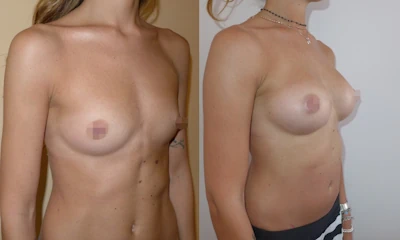
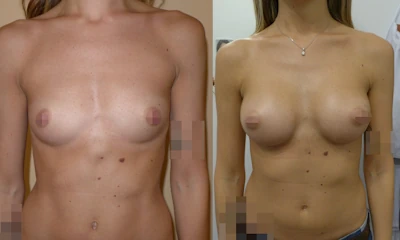
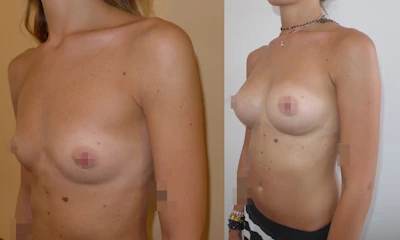
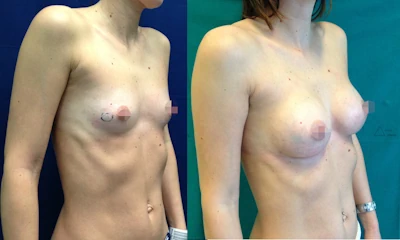
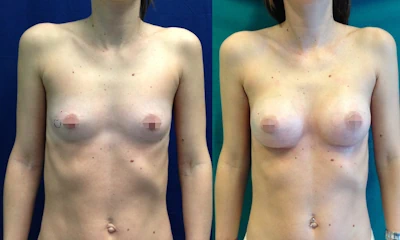
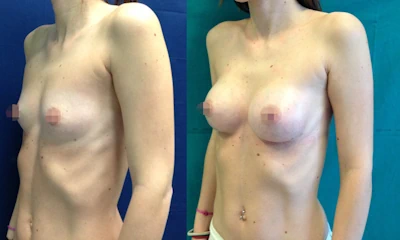
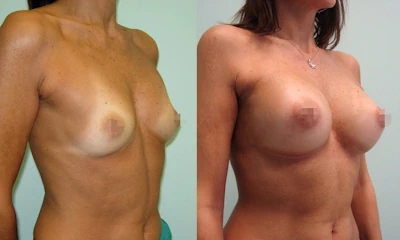
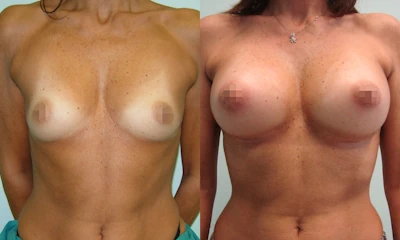
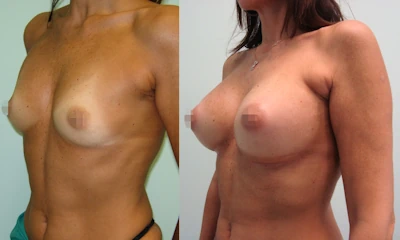
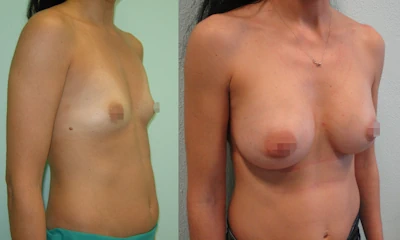
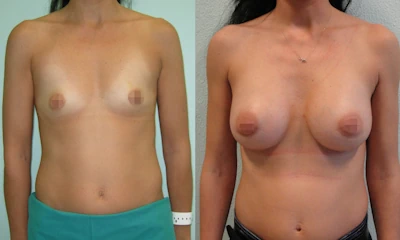
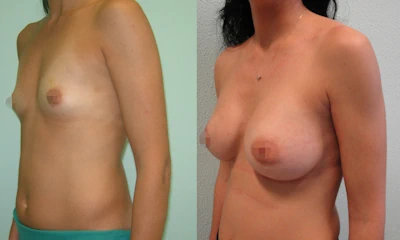
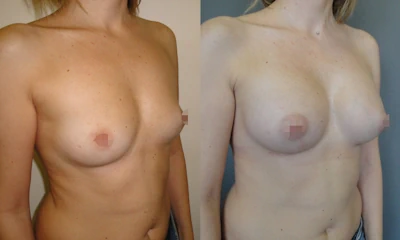
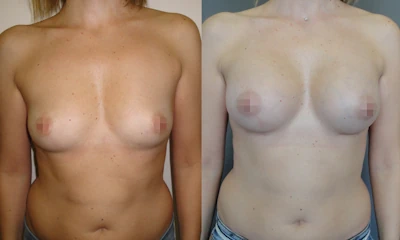
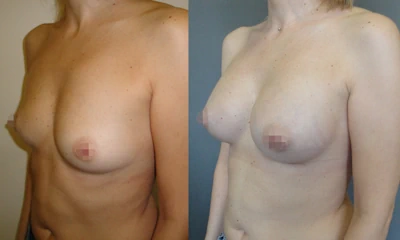
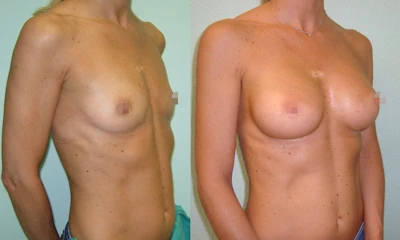
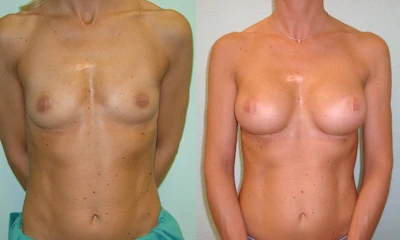
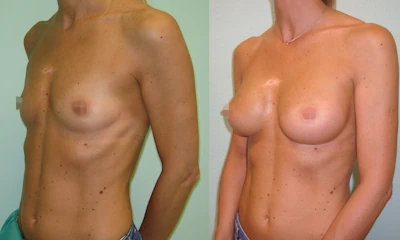
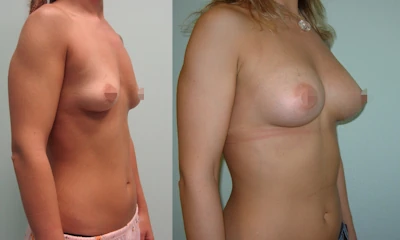
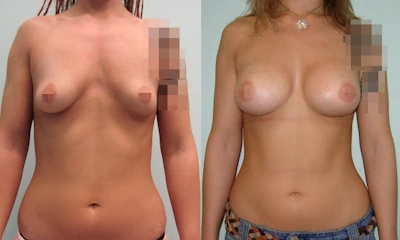
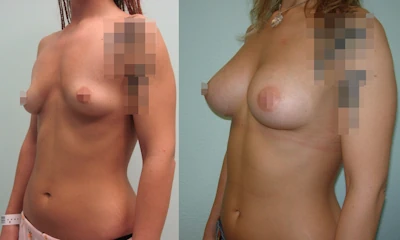
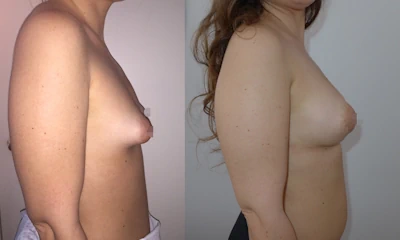
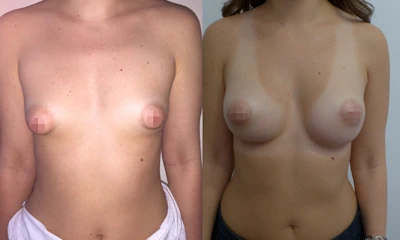
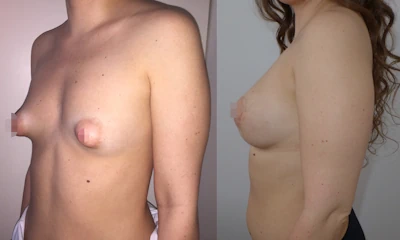
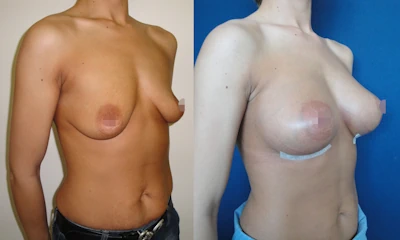
Before and after photos of breast augmentation procedures
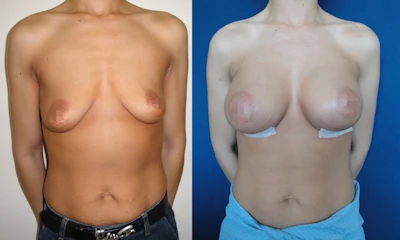
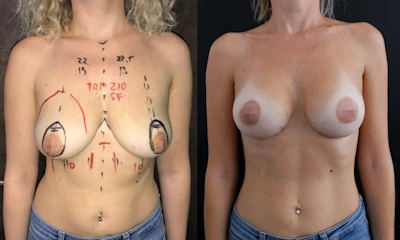
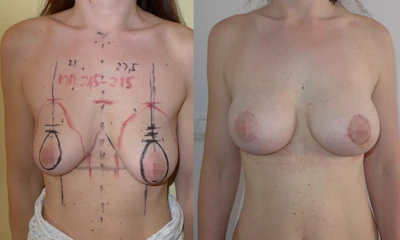
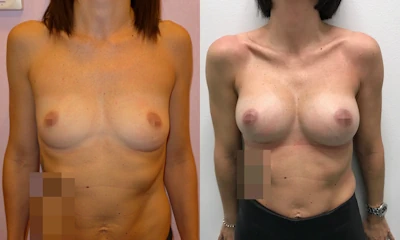
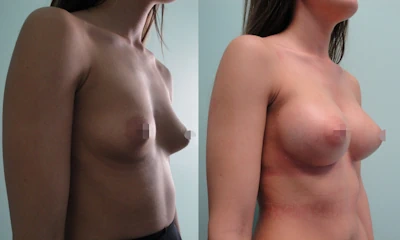
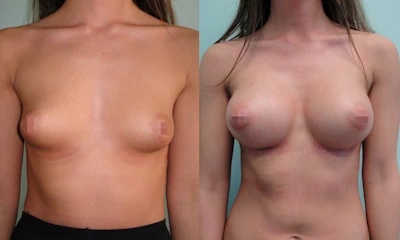
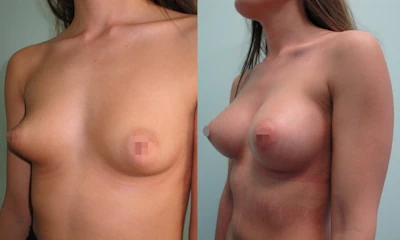
Request a telephone consultation
We operate on patients from all over Italy and beyond, which is why we are pleased to offer you a no-obligation telephone consultation on the procedure you intend to undergo.