Breast Augmentation with Dual Plane technique
Dual Plane Technique for Breast Enhancement: An Innovative and Natural Solution
The Dual Plane technique represents an advanced approach for breast augmentation surgery, capable of guaranteeing harmonious and natural results. This method is based on the creation of a specially designed pocket, which intelligently exploits two different anatomical planes, combining the advantages of traditional techniques and overcoming their criticalities.
Table of contents
What is the Dual Plane Technique?
In the past, breast implantation techniques were mainly based on two approaches:
- Subglandular: The implant was placed entirely behind the mammary gland. This method, while less invasive, presented problems such as the visibility and palpability of the implants, especially in patients with thin breast tissue, as well as a less natural appearance.
- Submuscular: The implant was placed completely under the pectoral muscle. Although it offered greater coverage and better protection of the implant, it resulted in a significant increase in post-operative pain and longer recovery times, as well as limiting the naturalness of breast loss in some cases.
The Dual Plane technique was created precisely to overcome these limitations. In this procedure, the prosthesis is placed inside a pocket divided into two zones:
- The upper part of the pocket is made under the pectoral muscle, thus providing additional coverage and reducing the risk of visibility and palpability of the implant.
- The lower part of the pocket is created under the mammary gland, allowing the implant to integrate naturally with the breast and promoting a harmonious shape.
Advantages of Dual Plane Technique
The Dual Plane technique offers numerous benefits, including:
- Natural and Harmonious Results:
Thanks to the two-plane positioning, the prosthesis integrates perfectly with the anatomy of the breast, ensuring a natural and proportionate appearance. - Post-Operative Pain Reduction:
The subdivision of the pocket and partial positioning under the muscle allow for the alleviation of post-operative discomfort, resulting in less pain than the full submuscular technique. - Fast Recovery Time:
The Dual Plane approach allows a faster resumption of normal daily activities, thanks to less invasiveness and better post-operative management. - Less Visibility of the Prosthesis:
Muscle coverage at the top reduces the chance of undulations and visibility of implants, particularly in patients with small breast tissue. - Correction of Mild Ptosis:
This technique is also effective in correcting slight breast fall, avoiding additional interventions such as mastopexy. - Preservation of Breast Function:
The hybrid position of the prosthesis allows the function of the mammary gland to be kept intact, favoring any future breastfeeding processes.
Ideal Candidates for Dual Plane Technique
The Dual Plane technique is particularly suitable for:
- Women with thin breast tissue, who need additional coverage of the implant.
- Patients with emptied breasts after breastfeeding or significant weight changes.
- Women with breast asymmetry or mild ptosis, who want a natural lift without additional incisions.
- Patients who aspire to breast augmentation with harmonious results proportionate to their body.
Surgical Procedure and Pocket Creation
The intervention with the Dual Plane technique involves the following phases:
- Preliminary consultation:
Dr. Spano carefully evaluates the anatomy of the breast, the quality of the tissue and the amount of breast tissue present, determining the most appropriate size and type of implants . - Anesthesia and Incision:
The surgery is performed under general anesthesia. The incisions are made in strategic areas, such as the inframammary sulcus or along the contour of the areola, to minimize the visibility of scars. - Pocket Creation and Prosthesis Placement:
Dr. Spano prepares the pocket in two planes: the upper part is placed under the pectoral muscle and the lower part under the mammary gland, allowing optimal integration of the prosthesis. - Closing the Engravings:
The incisions are sutured with techniques aimed at minimizing scarring and promoting rapid healing. - Monitoring and First Post-Operative Indications:
At the end of the surgery, the patient is monitored and receives specific instructions for recovery.
Post-operative recovery
Post-operative recovery is a crucial phase for the success of the surgery. Among the fundamental aspects to follow, the importance of rest to prevent the rotation of the prostheses stands out. Proper post-operative rest allows tissues to heal properly and keeps the position of the pocket stable, reducing the risk of unwanted displacement or rotation of the implant.
Indications for Optimal Recovery
- Rest and Limitation of Physical Activities: In the first 4-6 weeks, it is essential to avoid excessive exertion, intense physical activity or sudden movements that can excessively stress the chest.
- Medical Monitoring: Scrupulously following Dr. Spano’s instructions during check-ups allows you to intervene promptly in case of any complications.
- Gradual Return to Daily Activities: After the initial rest period, you can gradually resume normal daily activities and, subsequently, also sport.
Dual Plane Technique FAQ
- How long does the recovery period last after a Dual Plane surgery?
Recovery varies from patient to patient, but it is generally recommended to avoid strenuous physical activities for at least 3-4 weeks. Return to normal daily activities can take place within one or two weeks, always following the surgeon’s specific instructions. - Will the scars be visible?
Incisions are made in strategic areas (such as the submammary sulcus or along the areola) to minimize the visibility of scars, which tend to fade over time. - Is it possible to breastfeed after surgery with the Dual Plane technique?
Yes, since the technique preserves the functionality of the mammary gland, future breastfeeding is not compromised. - What are the risks associated with this technique?
As with any surgery, there are potential risks such as infection, hematoma, or adverse reactions to anesthesia. A correct pre-operative assessment and compliance with post-operative indications are essential to minimize these risks. - Can I play sports after the surgery?
Yes, sport can be resumed, but it is important to wait for the indicated recovery period (generally at least 3-4 weeks) and consult your surgeon. The return to sporting activity, particularly high-impact sports, must be gradual and monitored to ensure that the intervention is not compromised.
Conclusions
The Dual Plane technique represents an innovative solution for breast augmentation, capable of combining the natural and proportionate appearance of the surgery with a significant improvement in terms of comfort and speed of recovery. Thanks to the creation of a pocket in two levels, the problems of traditional techniques are overcome, offering a reduction in post-operative pain and faster recovery times, as well as minimizing the risk of aesthetic complications.
This technique, combined with a strict post-operative protocol, which includes the importance of rest to prevent rotation of the implants, makes the surgery an ideal option for women who want natural and long-lasting results, with a rapid resumption of daily and sports activities.
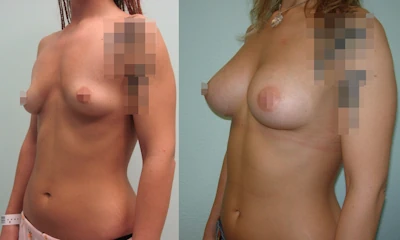
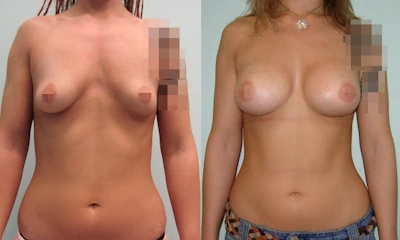
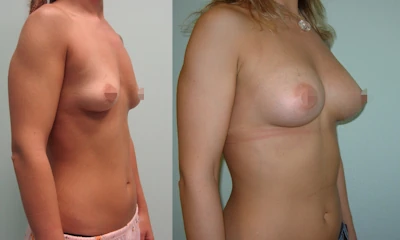
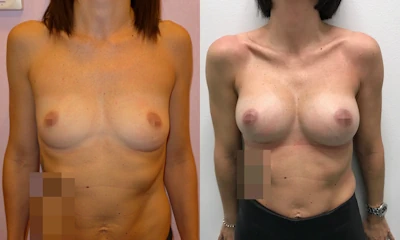
Photos of dual plane breast augmentation before and after
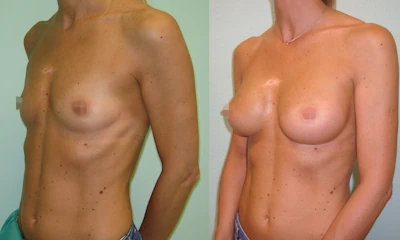
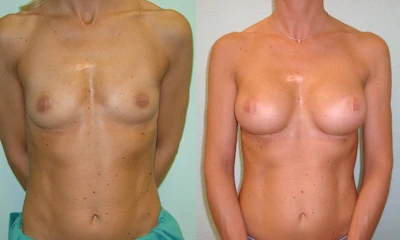
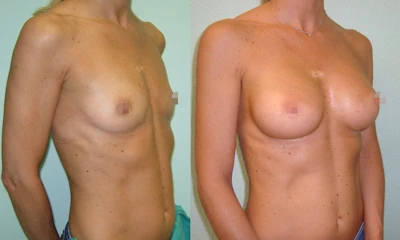
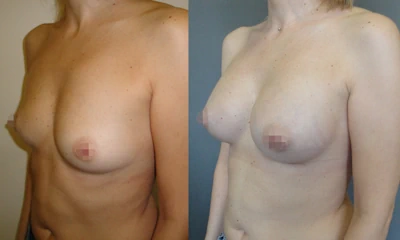
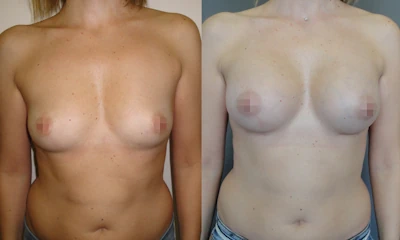
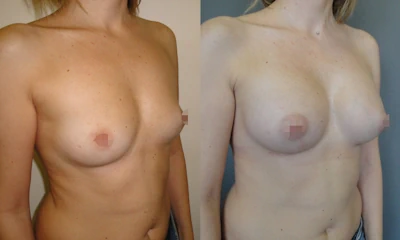
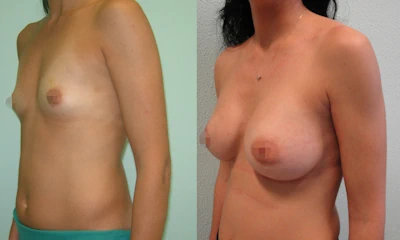
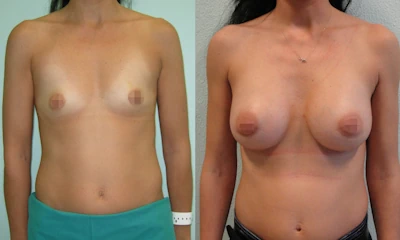
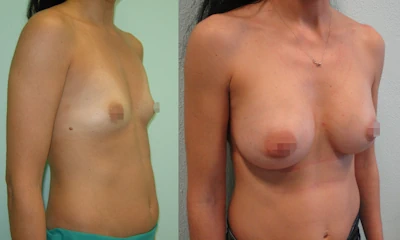
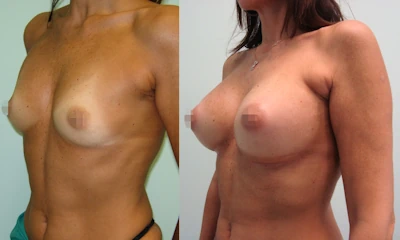
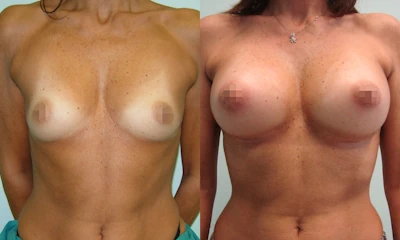
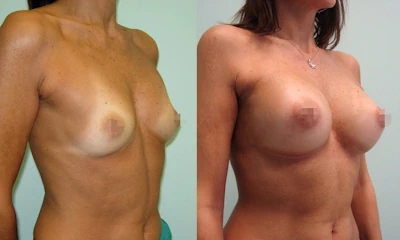
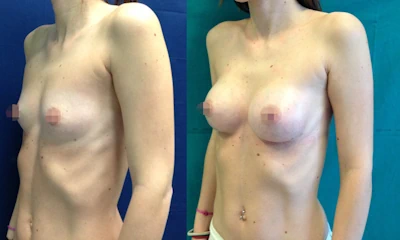
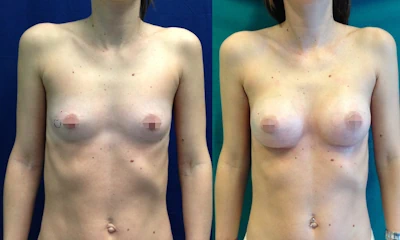
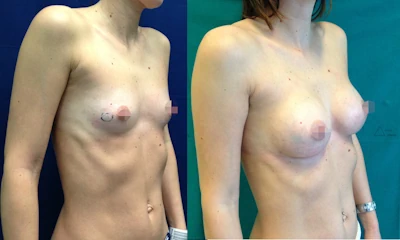
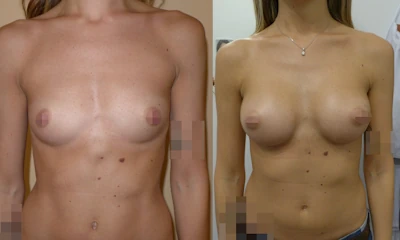
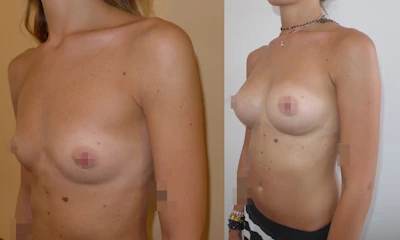
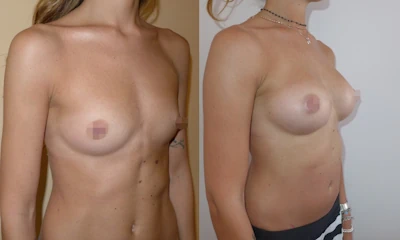
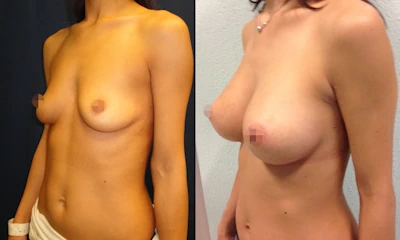
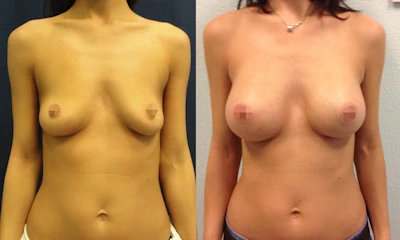
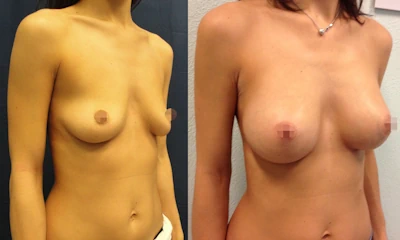
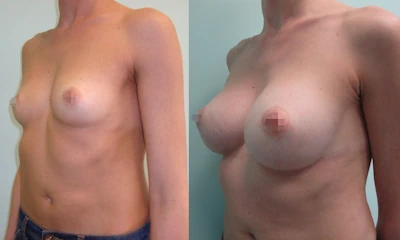
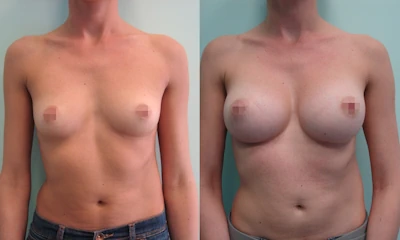
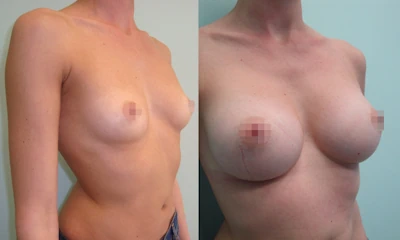
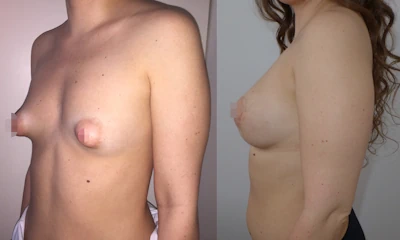
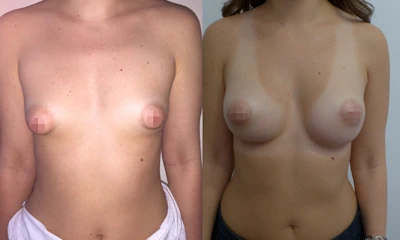
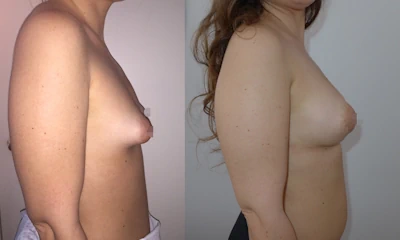
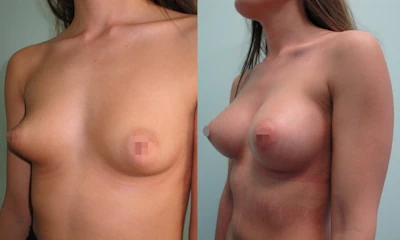
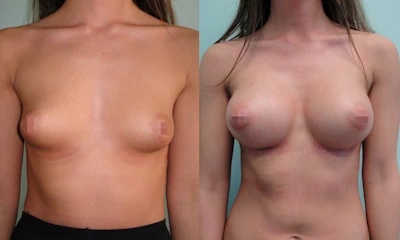
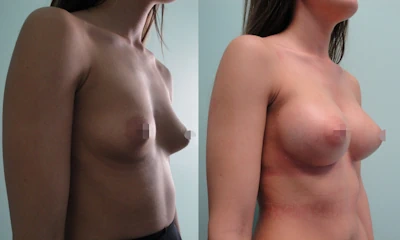
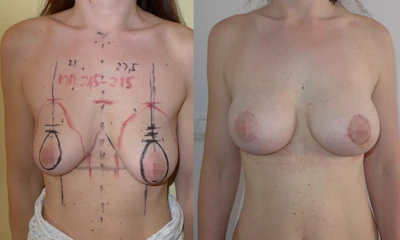
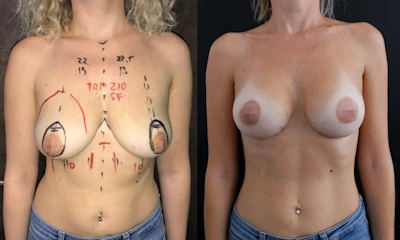
We operate on patients from all over Italy and beyond, which is why we are pleased to offer you a no-obligation telephone consultation on the procedure you intend to undergo.